How to Choose the Right Shower Hose for Your Bathroom Needs?
Choosing the right shower hose is crucial for any bathroom. "A quality shower hose can make all the difference in your daily routine," says John Stevens, a plumbing expert with over 15 years of experience in bathroom renovations. If you select the right one, it can enhance your shower's functionality and comfort.
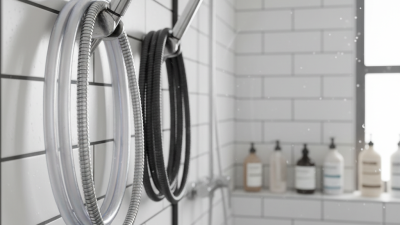
Shower hoses come in various materials and lengths. Some may find it overwhelming to choose. The ideal hose should not only match your showerhead but also fit well with your bathroom's design. A stainless steel option provides durability, while a PVC hose offers flexibility. Consider your personal needs—do you require a longer hose for easy movement? Or perhaps a lightweight option for easier handling?
It’s also important to reflect on common mistakes. Some overlook the impact of the hose's diameter on water flow. Others may choose a decorative option without considering practicality. Remember, the right shower hose can improve your experience but requires careful thought and understanding of your needs.
Understanding Different Shower Hose Types and Materials
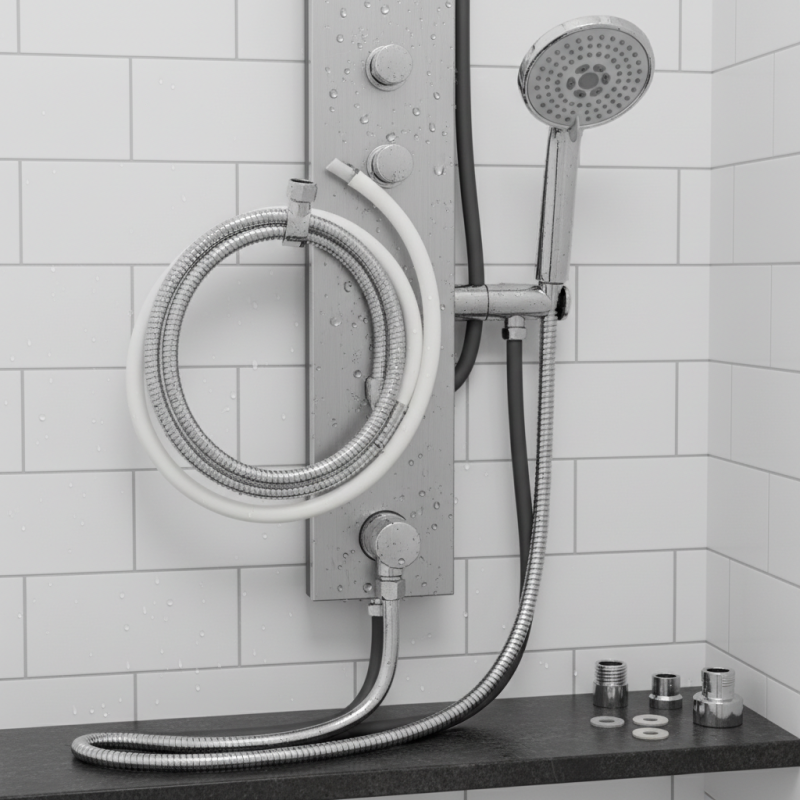
When selecting a shower hose, understanding the various types and materials is crucial. Shower hoses can be made from metal, plastic, or a combination of both.
Metal options, often brass or stainless steel, offer durability and resistance to corrosion.
According to a report from the Home Improvement Research Institute, metal hoses can last up to 10 years with proper care. However, they may be heavier and less flexible.
On the other hand, plastic hoses are lightweight and often easier to maneuver. These can be made from PVC or other durable plastics.
While they provide flexibility, they may not last as long as metal options. A study by the Bathroom Fixtures Association noted that plastic hoses usually require replacement every 5 years.
Understanding the trade-offs between longevity, weight, and flexibility is essential in making an informed decision.
Consider also factors like compatibility with your existing fixtures. Not all hoses will fit every showerhead or valve system.
It's recommended to check the thread size and type before purchasing. This detail can save time and money on returns.
Many consumers overlook these specifics, resulting in mismatched components.
Be sure to weigh the pros and cons of each type based on your bathroom needs.
Assessing Length and Flexibility for Your Shower Space
When selecting a shower hose, length and flexibility are key factors to consider. A hose that is too short can restrict your movement, making your shower experience uncomfortable. Conversely, an excessively long hose may create clutter and make cleaning difficult. Standard lengths vary, but a range of 59 to 79 inches is popular, offering a balance between accessibility and neatness.
Flexibility plays a crucial role as well. A flexible hose allows you to maneuver it easily, reaching different angles for an effective rinse. However, if the hose is overly flexible, it may kink and restrict water flow. Opt for materials like stainless steel or reinforced plastic, which offer durability without compromising flexibility.
It's also worth reflecting on your personal needs. If you have children or elderly family members, a longer and more flexible hose might enhance safety and convenience. On the other hand, if you live alone, focus on a length that fits your preferences. Always prioritize quality and practicality to find the right fit for your bathroom.
Compatibility with Showerheads and Fixtures: What to Consider
Choosing the right shower hose begins with understanding compatibility with your showerhead and fixtures. Different showerheads have varying connection types. Make sure to check the specifications of both your showerhead and the hose. Standard connection sizes can differ between models. A mismatch could lead to leaks or ineffective water flow.
Tips: Measure your current hose length before buying a new one. This ensures you maintain comfort. Don't overlook the material of the hose. A flexible and durable material can withstand daily wear and tear.
Consider the type of fixtures in your bathroom. If you have a handheld showerhead, a longer hose may be necessary. Shorter hoses can restrict movement. Look for hoses designed for easy attachment to your existing fixtures. Some hoses have universal fittings that add to their versatility, but always double-check compatibility.
Tips: Pay attention to the maximum water pressure recommended by the manufacturer. Excessive pressure can damage the hose. If you're unsure, consult a professional for guidance. Always take the time to review your options. Choosing the right shower hose can elevate your showering experience significantly, but it requires careful thought.
How to Choose the Right Shower Hose for Your Bathroom Needs? - Compatibility with Showerheads and Fixtures: What to Consider
| Dimension |
Details |
| Length |
Standard lengths range from 59 inches (150 cm) to 79 inches (200 cm). Consider your shower setup to determine the best size. |
| Diameter |
Typically, shower hoses have a diameter of 1/2 inch (12 mm). Ensure compatibility with your fixtures. |
| Material |
Common materials include stainless steel, plastic, and reinforced vinyl. Choose based on durability and aesthetic preferences. |
| Flexibility |
A flexible hose allows for easier maneuverability, which is important for handheld showerheads. |
| Pressure Ratings |
Check the pressure ratings to ensure the hose can withstand your home’s water pressure without leaking. |
| Connector Type |
Most hoses have universal connectors, but verify if they fit your showerhead and faucet system. |
| Finish |
Consider chrome, brushed nickel, or matte finishes to match your bathroom decor. |
Evaluating Durability and Maintenance of Shower Hoses
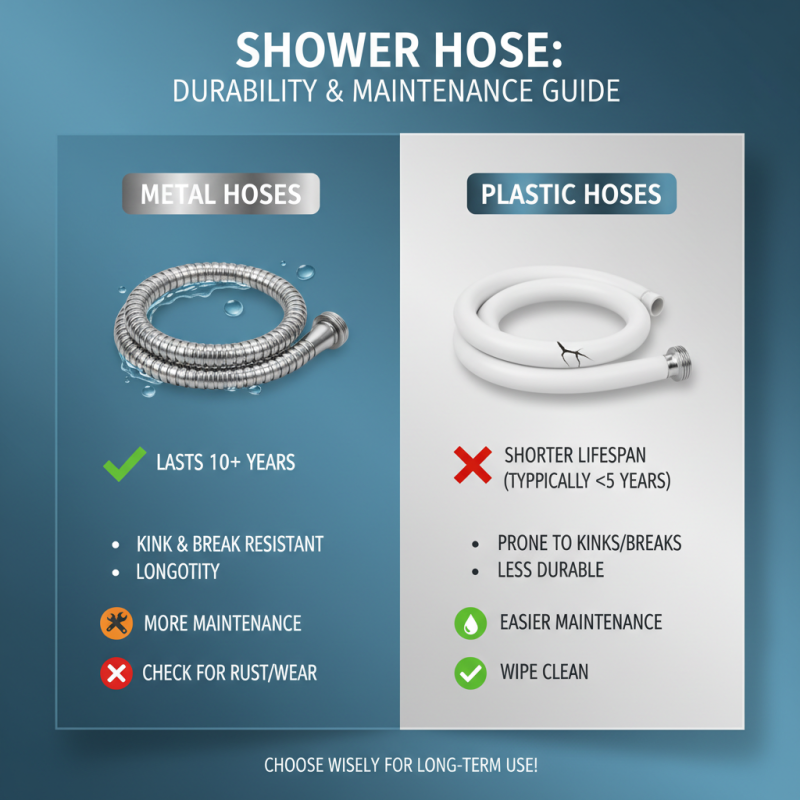
When selecting a shower hose, durability and maintenance are crucial factors. Reports indicate that metal hoses typically outlast plastic options, with many lasting over a decade with proper care. The longevity of metal hoses often results from their resistance to kinks and breaks. However, they typically require more maintenance. Regular inspection for rust or wear can be essential.
On the other hand, while plastic hoses may exhibit initial flexibility, they tend to degrade faster. Many studies show that 60% of plastic hoses fail within five years, primarily due to wear and tear. Users should also be cautious about chemical cleaners, which can further reduce the lifespan of these hoses.
Choosing the right material is just the beginning. Both hose types can accumulate mineral buildup over time. Regularly cleaning them with vinegar solutions can enhance their performance. However, homeowners may overlook this routine, leading to reduced water flow and pressure. Ultimately, the right balance of durability and maintenance will maximize the investment in a shower hose.
Budgeting: Finding the Right Shower Hose for Your Needs
When budgeting for a shower hose, it’s essential to assess various factors. The average cost of a standard shower hose ranges from $15 to $50. Many consumers often overlook the quality and durability of the material. A good hose can last 10 years or more, substantially cutting down on replacement costs. Investing wisely now can save you money later.
Consider the length and flexibility of the hose. Standard lengths are usually between 60 and 80 inches. A longer hose may offer better maneuverability, especially in larger shower spaces. Look for hoses made from durable materials like stainless steel or reinforced PVC. Reports indicate that stainless steel hoses are less prone to leaks and kinks compared to rubber ones.
Many people go for the cheapest option initially, only to face issues later on. A flimsy hose might lead to leaks, causing water damage over time. Cheaper hoses may encourage frequent replacements, leading to higher costs in the long run. It’s wise to find a balance between cost and quality to avoid future inconveniences.