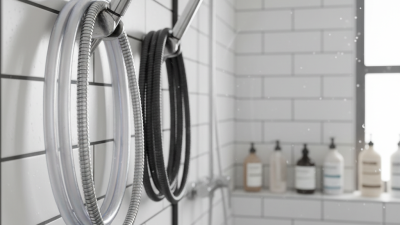
Why Choose Shower Systems for Global Buyers?
For global buyers, choosing a shower system involves more than selecting a polished fixture. It requires careful attention to water pressure, installation standards, material quality, and daily comfort. A dependable Showers Shower solution must perform in different homes, climates, and commercial environments. It should also support practical maintenance, clear instructions, and stable after-sales service.
David Kohler, executive chairman of Kohler Co., once said, “Design is about improving the quality of life.” This idea explains why modern shower systems attract international buyers. A thermostatic mixer can help maintain a steady temperature during a morning shower. Adjustable hand showers can serve children, older adults, and users with limited mobility. Stainless steel finishes may resist corrosion in humid bathrooms. Small details matter.
Yet, no system fits every market perfectly. Local water pressure can change performance. Plumbing connections may require adapters. Some buyers focus heavily on appearance and overlook replacement parts. That can become an expensive mistake. A supplier with export experience should provide technical drawings, certification information, packaging protection, and responsive communication. These details build trust before the product reaches the bathroom.
Global purchasing also rewards flexibility. Buyers may need private labeling, different spray patterns, customized colors, or bulk delivery schedules. Reliable manufacturers test flow control, sealing performance, and surface durability before shipment. Still, testing cannot remove every uncertainty. Buyers should request samples and verify compatibility locally. The best Showers Shower choice balances design, engineering, compliance, and real user experience. It does not merely look impressive. It works quietly, repeatedly, and safely.
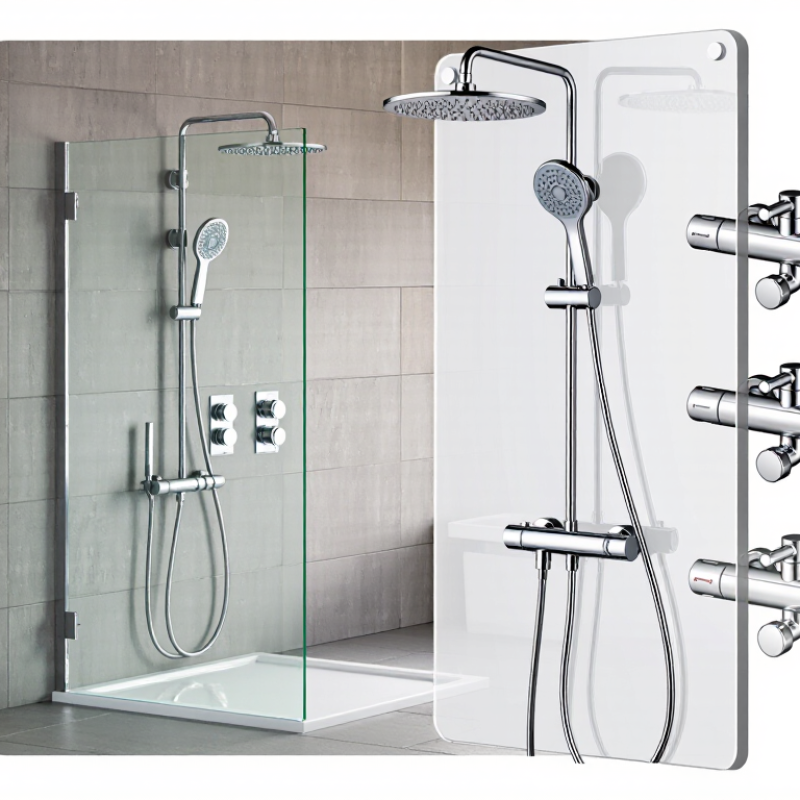
What Is a Shower System and How Does It Work?
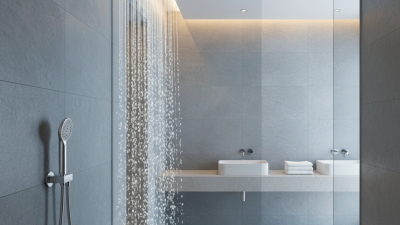
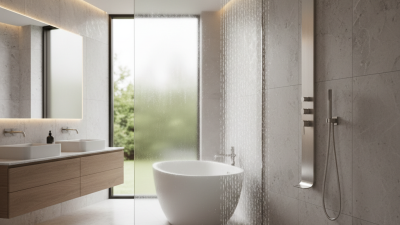
A shower system combines several water-control parts into one coordinated setup. It usually includes a mixer, overhead shower, hand shower, hose, diverter, and body jets. The mixer regulates temperature and flow. The diverter sends water to the selected outlet.
When you turn the handle, hot and cold water enter the valve through separate inlets. The valve blends them before water reaches the showerhead. A pressure-balancing or thermostatic mechanism can reduce sudden temperature changes. This matters when another tap starts running nearby.
Water pressure affects the entire experience. A wide overhead shower may feel weak in a low-pressure apartment. A hand shower can offer better control there. Pipe size, inlet spacing, ceiling height, and drainage capacity should be checked before purchase. Small errors become expensive after wall tiles are installed.
For global buyers, installation conditions need careful review. Connections and plumbing standards vary between markets. Product drawings should show inlet dimensions and recommended pressure ranges. Materials also deserve attention. Solid metal valves, corrosion-resistant finishes, and replaceable cartridges usually support longer service. Still, no system is maintenance-free. Mineral deposits can narrow spray holes, and seals may eventually wear. I have found that clear installation instructions often matter as much as attractive design. Some systems appear simple, yet concealed parts can be difficult to inspect. A practical choice leaves access for repair. It may not look as perfect.
Which Features Make Shower Systems Suitable for Global Buyers?
Global buyers need more than attractive spray patterns. They need performance across different water pressures, climates, and installation habits. The WHO/UNICEF Joint Monitoring Programme’s 2023 update reported that 2.2 billion people lacked safely managed drinking water in 2022. That variation makes flow control and maintenance practical priorities. Not decoration.
The U.S. EPA’s showerhead specification limits flow to 2.0 gallons per minute, versus the 2.5-gallon federal maximum. This can reduce water use by 20 percent while preserving effective spray coverage. Pressure-compensating valves help maintain steadier performance. Thermostatic control, marked temperature limits, and anti-scald protection improve daily safety.
For export projects, corrosion-resistant materials, replaceable cartridges, 1/2-inch connection options, and clear multilingual instructions reduce service friction.
Certification evidence matters. Buyers should request test reports for flow, temperature stability, leak resistance, and surface durability. Documentation should identify operating pressure ranges and available spare parts. A system may look universal, yet fail when local plumbing uses different threads. I would not treat low flow as automatically better. In a tall building, weak pressure can turn an efficient shower into a frustrating trickle. The best specification admits that limitation and offers compatible pressure options.
What Should Global Buyers Consider Before Choosing a Shower System?
Why Choose Shower Systems for Global Buyers?
Global buyers should examine the bathroom conditions before choosing a shower system. Water pressure varies widely between apartments, hotels, and rural homes. A system designed for strong pressure may perform poorly in an older building. Check the required pressure range, pipe size, and available hot water supply. Local plumbing standards also matter. A qualified installer can confirm compatibility before purchase.
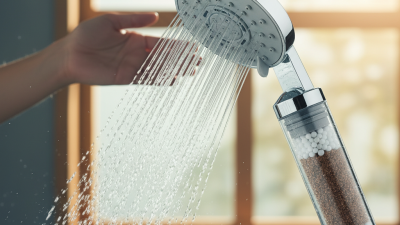
Material selection deserves careful attention. Stainless steel, treated brass, and durable polymers can resist moisture when properly manufactured. Look for clear specifications, tested temperature limits, replacement parts, and a practical warranty. Some systems look impressive in photographs but feel fragile after repeated use. That is easy to underestimate. Buyers should also consider cleaning access, scale buildup, slip risks, and whether controls are comfortable for children or older users.
Tips:
Request installation drawings and maintenance instructions before ordering. Ask how quickly common parts can be replaced in your market. Test the handle movement if possible. It should feel precise, not loose. Consider your local water hardness, too. Hard water may require easier nozzle cleaning. Energy use is another factor, especially where hot water costs are high. A lower-flow design can help, but only if it still provides a satisfying shower. Trade-offs are real. The cheapest option may create higher maintenance costs later.
How Are Shower Systems Installed, Maintained, and Evaluated?
Installing a shower system starts with checking water pressure, pipe spacing, and wall strength. A level, tape measure, and pressure gauge prevent many avoidable mistakes. The mixer valve should sit at the recommended depth before tiles cover the wall. Hot and cold connections must be identified clearly. Small leaks matter.
In practical inspections, I test every outlet for steady flow and temperature control. I also run the system for several minutes after installation. This reveals loose fittings, noisy pipes, or uneven spray patterns. A flexible hose should bend naturally, without sharp twists. The drain needs enough capacity for the strongest outlet running. Some installers focus on appearance and forget access for future repairs.
Maintenance is simple but should be regular. Wipe mineral deposits from nozzles with a soft cloth and suitable cleaner. Do not use harsh chemicals on plated surfaces. Check seals, connections, and the hand shower every few months. In hard-water areas, cleaning may be needed more often. Evaluation should include installation quality, comfort, water use, safety, and replacement access. A beautiful system can still perform poorly. I have also learned that product instructions are not optional; local plumbing conditions can expose assumptions that seemed reasonable during planning.
Why Choose Shower Systems for Global Buyers?
Water-use comparison for a 10-minute shower at common shower flow rates. A lower flow rate can reduce water consumption while maintaining performance when the system is correctly installed and maintained.
Evaluation note: Water use is calculated as flow rate × shower duration. Actual consumption depends on water pressure, temperature, user habits, and the condition of filters, seals, and spray outlets. Regular cleaning and leak checks help preserve performance.