





How a Stainless Steel Shower Head Improves Hygiene and Water Pressure
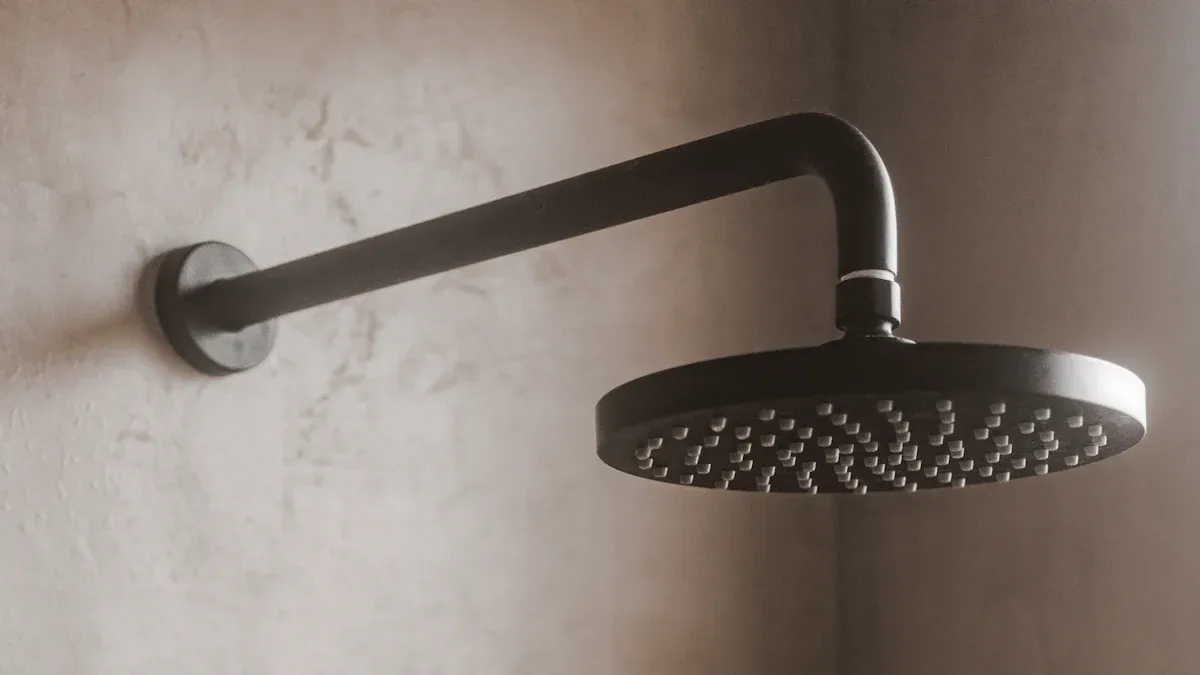
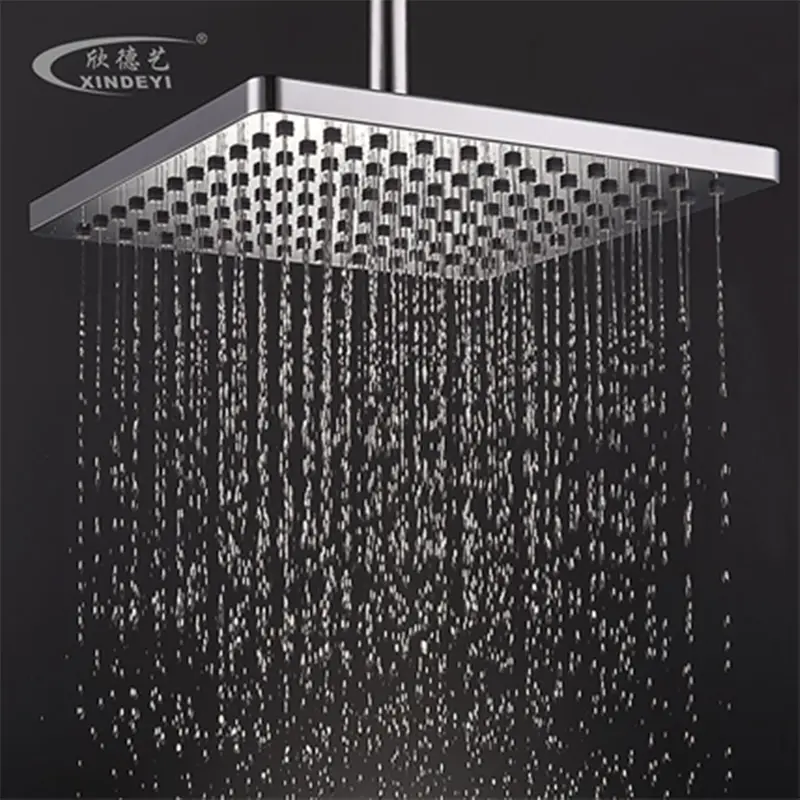
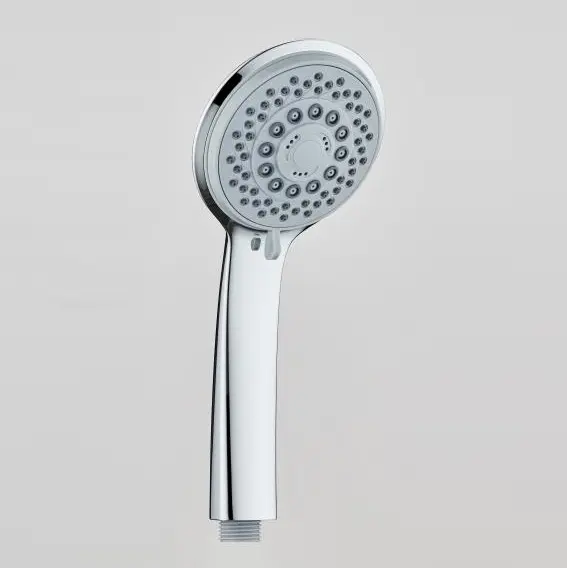
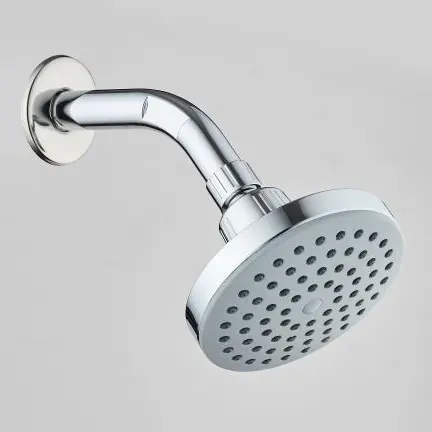
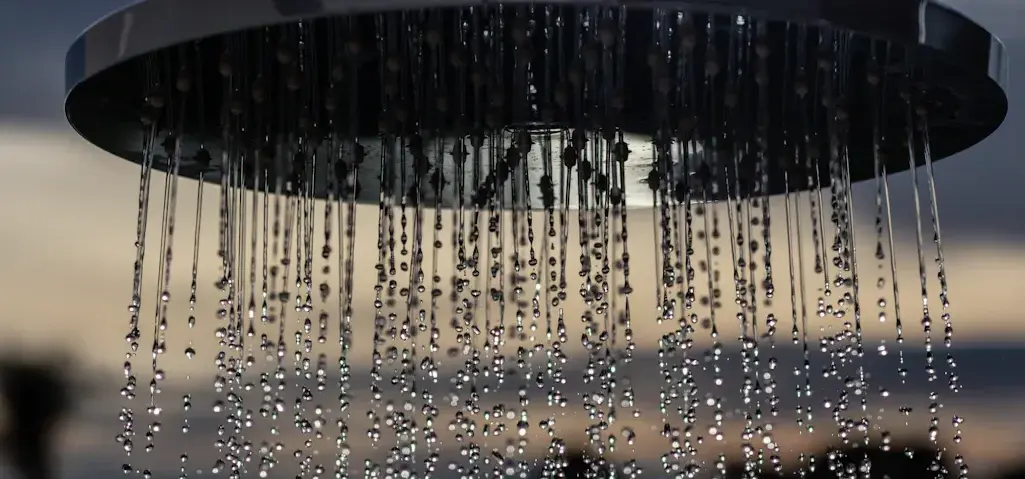
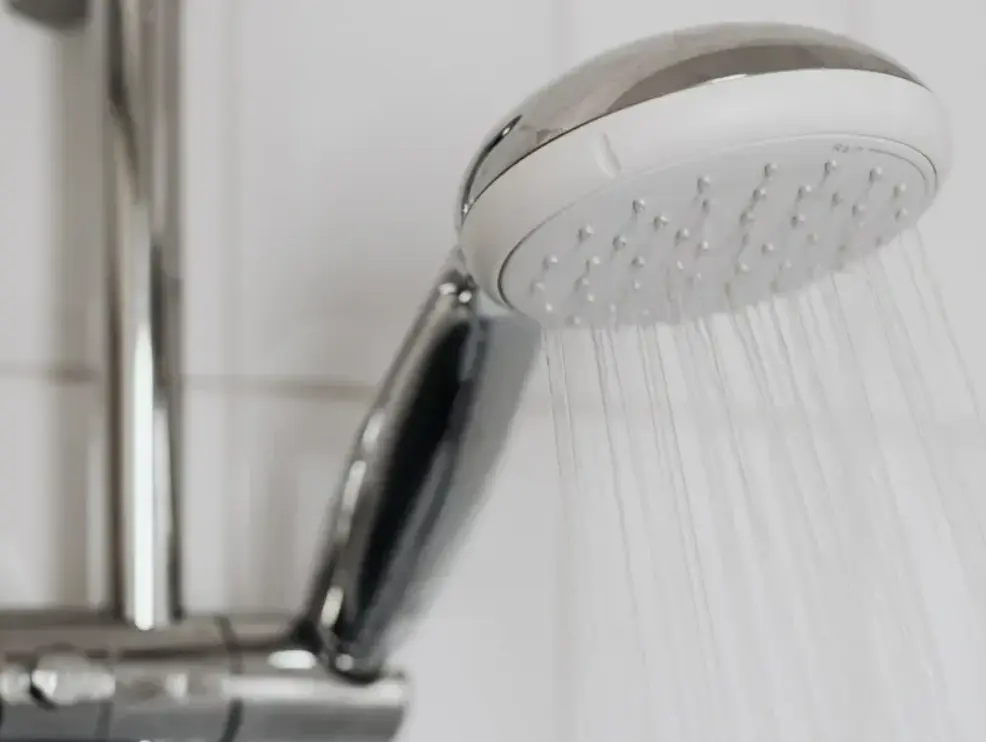
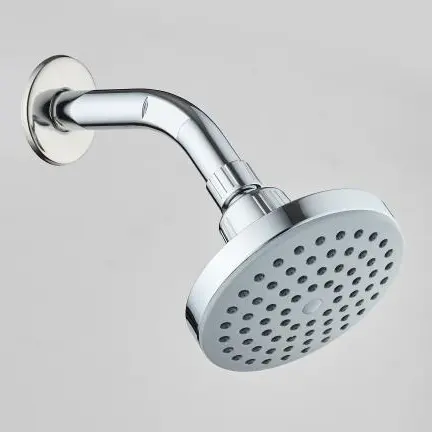
A Stainless Steel Shower Head provides superior hygiene and enhanced water pressure. Its unique material properties and design ensure these benefits. For example, aHigh Pressure Shower Head or a High Pressure Rain Shower Head delivers invigorating streams. Many designs also offer a Multi Funtion Water Save Shower Head experience.
How a Stainless Steel Shower Head Enhances Hygiene
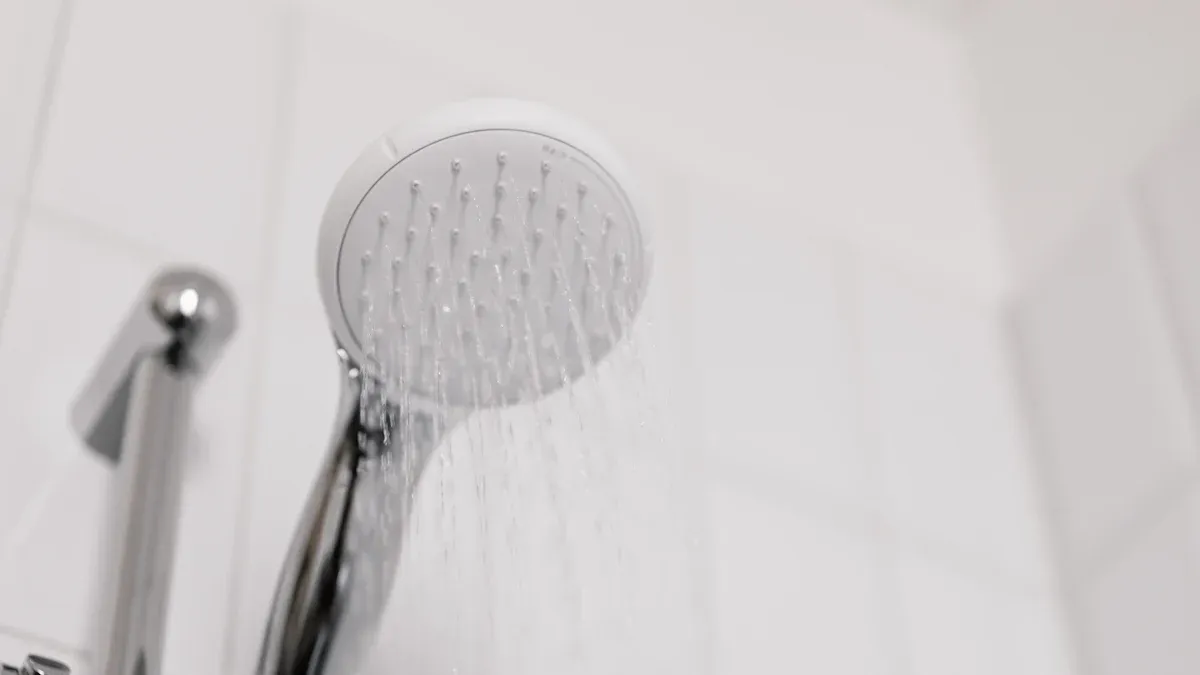
Non-Porous Surface Prevents Germ Growth in Your Stainless Steel Shower Head
A stainless steel shower head offers a significant advantage in preventing germ growth due to its inherently non-porous surface. Unlike plastic or other materials, stainless steel does not provide microscopic crevices where bacteria and other microorganisms can easily attach and multiply. Traditional shower heads often become breeding grounds for various pathogens. For instance, research indicates that Nontuberculous mycobacteria (NTM), a relative of the tuberculosis bacterium, frequently appears in the aerosol spray from shower heads. NTM can cause a rare but serious lung disease, particularly affecting elderly individuals or those with weakened immune systems.
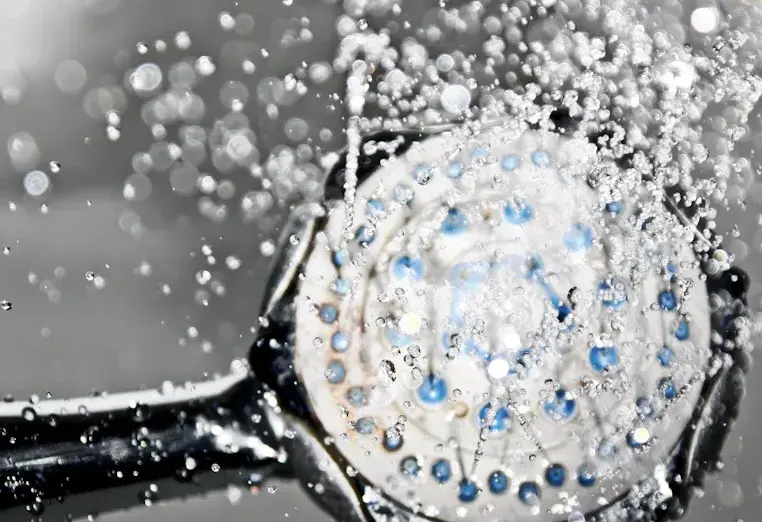
Other harmful bacteria, such as Legionella pneumophila and Pseudomonas aeruginosa, also commonly establish themselves in shower head biofilms. Legionella pneumophila has been observed to reappear in significant numbers in biofilms, while Mycobacterium species emerge in large quantities over time. These pathogens, including M. abscessus, M. kansasii, and M. avium complex (MAC), are recognized as environmentally acquired and can cause various human diseases, from lung infections to skin issues. The hydrophobic nature of NTM cells enhances their aerosolization, making inhalation a significant transmission route. A smooth, non-porous stainless steel surface actively resists the formation of these dangerous biofilms, thereby reducing the risk of exposure to such harmful microorganisms.
Resistance to Corrosion and Mineral Build-up for a Cleaner Stainless Steel Shower Head
Stainless steel exhibits exceptional resistance to corrosion and mineral buildup, which directly contributes to a cleaner shower head. Bathroom environments are inherently damp and can be corrosive due to cleaning products containing bleach or high concentrations of urine in less frequently cleaned areas. Stainless steel, particularly Type 304 or Type 316, is an excellent material for bathroom fixtures because it withstands these harsh conditions and temperature fluctuations effectively. This high resistance means the shower head's surface remains smooth and intact over time.
Other materials often corrode or develop rough patches, creating ideal surfaces for limescale and mineral deposits to accumulate. These deposits not only look unsightly but also provide additional surfaces for bacteria to cling to and grow. A stainless steel shower head maintains its integrity, preventing the pitting and degradation that lead to mineral accumulation. This inherent resistance ensures the shower head stays cleaner for longer periods, reducing the need for aggressive cleaning and maintaining its hygienic properties.
Effortless Cleaning and Maintenance of Your Stainless Steel Shower Head
Maintaining the cleanliness of a stainless steel shower head is remarkably straightforward, contributing to superior hygiene. Its smooth, resistant surface makes cleaning quick and effective. For optimal hygiene, experts recommend a thorough cleaning of the shower head at least once a month. Weekly cleanings are crucial to prevent serious buildup. A simple weekly routine involves spraying the shower head with a vinegar-based cleaning solution after each shower to deter calcium buildup, bacteria, and mold.
For more intensive cleaning, several methods prove highly effective. One common approach involves using CLR Calcium, Lime & Rust Remover. Users can remove the shower head, mix CLR with water (50/50 ratio), soak the shower head for 2-3 minutes, scrub any heavy crust with an old toothbrush, and then rinse with cold water before reattaching. Alternatively, for an attached shower head, one can submerge it in a bowl of the CLR mixture. Common household items like white vinegar and lemon juice also work well. For instance, filling a plastic bag with white vinegar, submerging the shower head, and letting it soak for 1-2 hours effectively breaks down deposits. After soaking, rinsing with hot water and drying with a microfiber cloth completes the process. These effortless cleaning methods ensure the stainless steel shower head remains free from harmful contaminants and maintains its pristine condition.
How a Stainless Steel Shower Head Improves Water Pressure
Durability Maintains Internal Structure for Consistent Water Pressure
A stainless steel shower head significantly contributes to consistent water pressure through its exceptional durability. The material's robust nature ensures the internal structure of the shower head remains intact over time. Many factors can cause low water pressure, including issues with the mixing valve, partially closed valves, or even old, corroded pipes. However, the shower head itself often becomes a weak point. Compared to other materials, stainless steel offers superior longevity. For instance, Plastic Shower Heads are the least durable; they often crack or break, especially with hard water or frequent use. Chrome-plated plastic offers only slightly more durability, but its plating can chip or peel. In contrast, stainless steel is very durable and highly resistant to rust and corrosion. This makes it an excellent choice for maintaining its appearance and structural integrity.
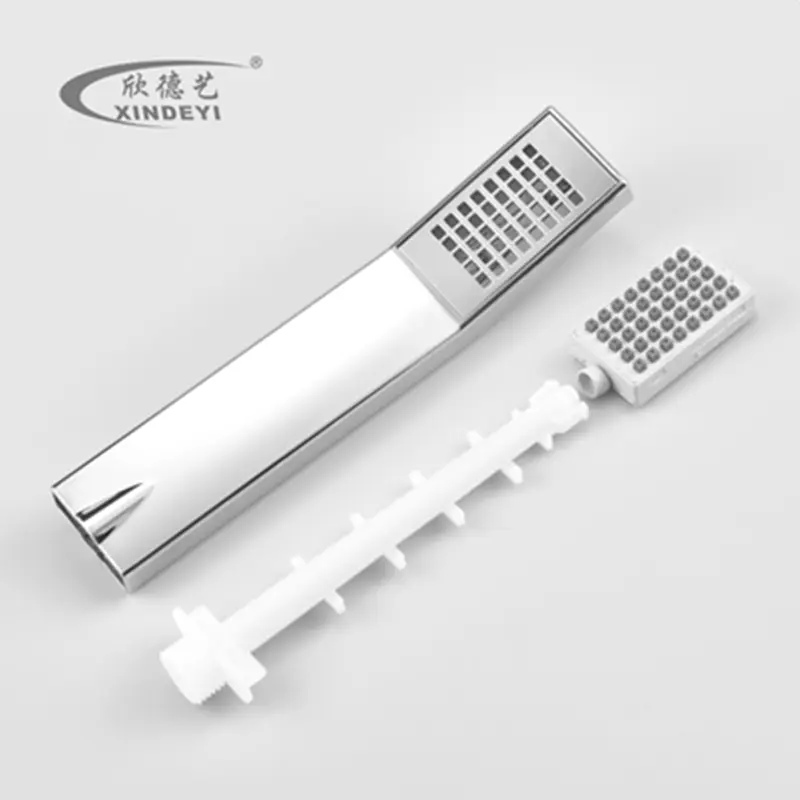
Stainless steel is much stronger than plastic. It possesses high tensile strength, toughness, and durability. This allows it to endure high water pressure without breaking or losing its shape. This inherent strength prevents the internal components from deforming or degrading, which would otherwise disrupt water flow. A shower head made from a less durable material might warp or develop internal cracks, creating turbulence and reducing the effective pressure. A stainless steel shower head maintains its precise internal channels, ensuring water flows smoothly and consistently, delivering the intended pressure every time.
Resistance to Internal Scaling in Your Stainless Steel Shower Head
Internal scaling poses a significant threat to consistent water pressure in shower heads. Mineral deposits, particularly from hard water, accumulate within the shower head's nozzles and internal pathways. This buildup clogs the small openings, which directly reduces water flow and pressure. Many common causes of low water pressure stem from such blockages, including clogged shower heads and sediment buildup.
Stainless steel naturally resists the accumulation of these mineral deposits. Its smooth, non-porous surface makes it difficult for limescale and other sediments to adhere and build up. This resistance means the internal components remain clear and unobstructed. Without internal scaling, the water can pass through the shower head's designed channels without impedance. This ensures the shower head delivers its full potential water pressure, providing a powerful and invigorating shower experience. Regular cleaning can help restore pressure by removing deposits, but a stainless steel shower head inherently minimizes the need for such interventions due to its material properties.
Consistent Flow Channels for Optimal Water Pressure with a Stainless Steel Shower Head
The combination of durability and resistance to internal scaling directly translates into consistent flow channels within a stainless steel shower head. These clear and stable channels are crucial for optimal water pressure. When a shower head's internal structure remains undamaged and free from mineral blockages, water flows through it efficiently.
Less robust materials or those prone to scaling can develop irregular internal surfaces or constricted pathways. These imperfections create friction and turbulence, which dissipate water pressure before it even exits the nozzles. A stainless steel shower head, however, maintains its precisely engineered flow channels. This allows water to move through the head with minimal resistance, ensuring that the pressure delivered to the user remains strong and consistent. This consistent performance means users can enjoy a powerful and satisfying shower experience, free from the frustrations of fluctuating or weak water flow.
Why a Stainless Steel Shower Head Outperforms Other Materials
Limitations of Plastic Shower Heads
Plastic shower heads present several disadvantages. Their disposal, like other plastic waste, significantly contributes to landfills and ocean pollution. Plastic trash gradually disintegrates into micro- and nano-plastics, which pollute the atmosphere and contaminate the air. Plastic in public spaces can leach toxic chemicals into the ground and groundwater, potentially affecting drinking water sources. These micro- and nano-plastics and toxic chemicals contaminate fish, shellfish, and marine salt, entering the global food chain. Plastic production is also energy-intensive and contributes significantly to global warming through greenhouse gas emissions.
Drawbacks of Chrome-Plated Options
Chrome-plated options also have distinct drawbacks. Peeling chrome is a common issue for fixtures like shower heads. Chrome finishes can also appear visually unappealing due to water spots, requiring frequent wiping. While chrome plating enhances durability and longevity by providing a shiny, corrosion-resistant finish to brass shower heads, this protection is not permanent. The chrome layer can degrade over time with frequent use or abrasive cleaning, exposing the underlying brass to potential corrosion. Chrome Shower Head finishes generally offer 'Medium' durability.
The Superiority of a Stainless Steel Shower Head
A Stainless Steel Shower Head consistently outperforms these alternatives. Industry experts highlight that stainless steel fixtures offer significant savings over time compared to other materials. This is due to their longevity and reduced need for frequent replacement. Their resistance to corrosion and tarnishing translates into lower maintenance needs and less frequent replacements. Many major plumbing fixture manufacturers, such as Moen and Delta Faucet, commonly offer a Lifetime Warranty for their products. HammerHead Showers, producing all-metal shower heads from materials like stainless steel, also provides a Limited Lifetime Warranty. This contrasts with the 2-year warranty often seen for other materials. Households can also save approximately 20% on water usage with modern, efficient shower heads, contributing to lower water bills over time.
A stainless steel shower head delivers a cleaner, more invigorating shower experience. Its superior hygiene and enhanced water pressure make it a top choice. Investing in a Stainless Steel Shower Head offers long-term benefits for your bathroom and well-being. It prevents exposure to rust particles, maintains a healthier bathing environment, and ensures clean, safe water.
FAQ
What makes a stainless steel shower head more hygienic?
A stainless steel shower head features a non-porous surface. This surface actively prevents germ growth and biofilm formation. It also resists corrosion and mineral buildup, ensuring a cleaner fixture.
Does a stainless steel shower head truly improve water pressure?
Yes, it does. Its durability maintains the internal structure. Resistance to internal scaling keeps flow channels clear. This ensures consistent, optimal water pressure for users.
How often should one clean a stainless steel shower head for best results?
Experts recommend cleaning a stainless steel shower head at least monthly. Weekly cleanings are crucial to prevent serious buildup. This maintains hygiene and optimal performance.