get a free sample
Leave Your Message

10 Best Transparent Shower Heads for Easy Cleaning?

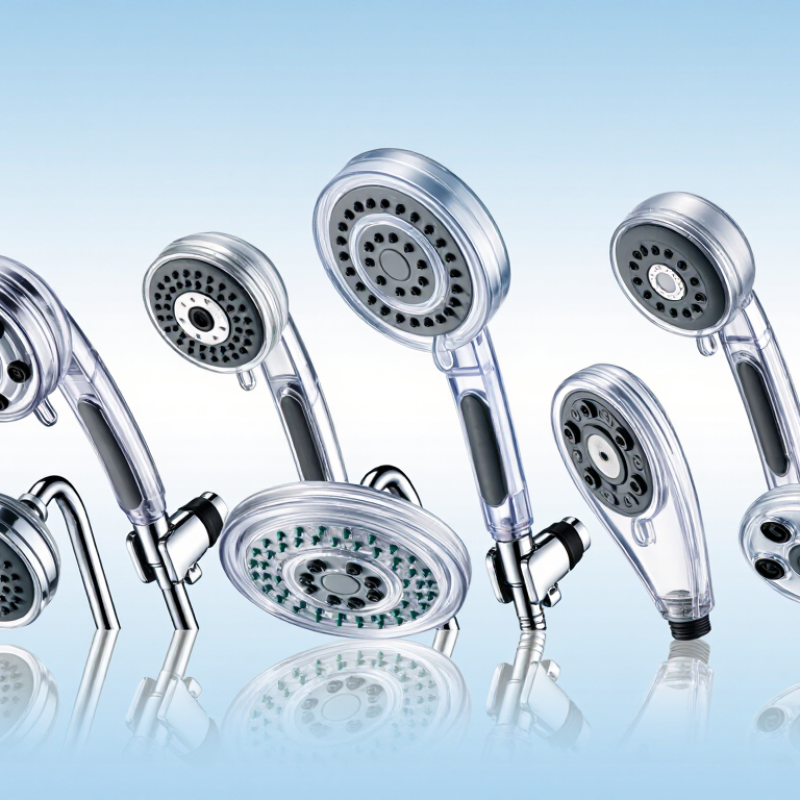
A Transparent Shower Head can make routine bathroom cleaning easier by revealing buildup before it becomes stubborn. Instead of guessing what hides inside the spray plate, you can inspect mineral deposits, trapped hair, and cloudy water marks at a glance. That visual access matters in homes with hard water, where small white spots can quickly block spray nozzles. Looks can mislead. Clear plastic alone does not guarantee simple maintenance.

This guide examines ten transparent shower heads through practical cleaning, spray performance, material quality, and everyday durability. It considers how easily each model can be wiped, rinsed, disassembled, or cleared with a soft brush. The review also pays attention to silicone nozzles, replaceable filters, connection standards, water pressure, and the clarity of the housing after repeated use. A good design should feel comfortable, distribute water evenly, and avoid sharp edges around the handle or fitting. It should not create extra work merely to look modern.

Some models may perform beautifully in a showroom but reveal weaknesses after weeks of steam, soap residue, and mineral-heavy water. That limitation deserves attention. Transparent materials can also scratch, yellow, or show fingerprints more clearly than opaque finishes. For a fair comparison, this article balances visible cleanliness with verified specifications, maintenance instructions, and realistic user experience. The goal is not to choose the most unusual-looking fixture. It is to identify the options that remain practical, dependable, and genuinely easier to clean.
10 Best Transparent Shower Heads for Easy Cleaning?

What Makes a Transparent Shower Head Easy to Clean?

A transparent shower head is easy to clean when its design exposes buildup early. Clear housing lets you spot white mineral rings, trapped hair, and dark biofilm before water flow weakens. However, visibility alone is not enough. Smooth inner walls, fewer seams, and a removable spray plate matter more. A 2018 mBio study examined 656 showerheads across nine cities and found diverse microbial communities in showerhead biofilms. That finding supports regular cleaning, even when the fixture looks bright and clear.

Look for silicone nozzles that flex under gentle rubbing. They release scale more easily than narrow, rigid openings. A wide, tool-free connection also helps you reach the filter and internal chamber. The U.S. Environmental Protection Agency’s WaterSense specification limits qualifying showerheads to 2.0 gallons per minute or less at standard pressure. Lower flow can reduce mineral-rich water passing through the unit, but it may also expose weak spray patterns. I would not treat efficiency as proof of cleanliness. That assumption needs testing.

Tips: Wipe the transparent shell weekly with a soft cloth. Remove the spray plate monthly, if the instructions allow it. Soak removable parts in diluted white vinegar for short periods, then rinse thoroughly. Avoid abrasive powders, sharp tools, and harsh solvents, because scratches hide residue. Check the inlet screen carefully; it often collects grit first. If the water still smells unusual or the spray remains uneven, replace worn seals or seek professional advice. Cleaning helps, but it cannot correct poor installation or contaminated plumbing.
Key Features to Compare Before Buying

A transparent shower head makes hidden buildup visible, but clarity alone does not guarantee easy cleaning. I once assumed a fully clear body was the best choice. That was too simple. Transparent plastic can show soap film, mineral flakes, and trapped water, yet it may also scratch or cloud over time.

Compare the flow rate with the U.S. Environmental Protection Agency’s WaterSense specification. WaterSense showerheads must deliver no more than 2.0 gallons per minute while maintaining acceptable spray performance. The U.S. Department of Energy also identifies 2.5 gallons per minute as the traditional federal maximum for standard showerheads. Lower flow can reduce water use, but weak pressure may frustrate users with long hair or low household pressure.

Check the nozzle design carefully. Flexible silicone nozzles allow mineral deposits to be rubbed away by hand. A removable faceplate is better than a sealed transparent cover. Tool-free removal saves time. Look for a replaceable filter, strong gasket, and clear cleaning instructions. Materials should resist heat, cracking, and discoloration. NSF/ANSI/CAN 61 certification can provide useful evidence about materials contacting water, although it does not prove cleaning performance.

Inspect the spray pattern in person if possible. Tiny holes may look elegant but clog quickly in hard-water areas. A transparent model can expose problems earlier. That is useful, not perfect. Also compare the warranty period and replacement-part availability before buying. A beautiful shower head becomes wasteful when one damaged seal requires replacing the entire unit.

10 Best Transparent Shower Heads for Easy Cleaning? - Key Features to Compare Before Buying

Rank Transparent Shower Head Type Material Face Diameter Spray Settings Water-Flow Range Cleaning Design Connection Estimated Weight Best For Overall Rating
1 Clear Handheld, 3-Pattern Polycarbonate face with ABS body 4.0 in / 102 mm Rain, massage, mist 1.8–2.5 GPM Flexible silicone nozzles; removable faceplate Standard 1/2-inch NPT Approx. 0.7 lb / 320 g Easy rinsing and targeted cleaning ★★★★★
2 Clear Fixed Rain, Wide Face Acrylic face with brass connection 6.0 in / 152 mm Rain 1.8–2.5 GPM Rub-clean silicone jets; open face layout Standard 1/2-inch NPT Approx. 1.0 lb / 450 g Even coverage with fewer parts to scrub ★★★★★
3 Clear Filtered Handheld Polycarbonate housing with stainless-steel filter screen 4.3 in / 109 mm Rain, rinse, massage 1.5–2.0 GPM Tool-free filter access; silicone spray tips Standard 1/2-inch NPT Approx. 0.8 lb / 360 g Homes that want visible filter inspection ★★★★☆
4 Clear Low-Flow Handheld Transparent ABS with silicone nozzles 3.5 in / 89 mm Rain, concentrated rinse 1.5 GPM Large, widely spaced nozzles; quick wipe-clean surface Standard 1/2-inch NPT Approx. 0.6 lb / 270 g Water-conscious households ★★★★☆
5 Clear Dual Shower System Acrylic shower face with stainless-steel diverter 5.0 in / 127 mm Rain, handheld rinse, combined mode 1.8–2.5 GPM Silicone jets; handheld head detaches for soaking Standard 1/2-inch NPT Approx. 1.4 lb / 635 g Flexible showering and easier wall cleaning ★★★★☆
6 Clear Compact Travel Head Impact-resistant polycarbonate 3.0 in / 76 mm Rain 1.5–2.0 GPM Minimal parts; smooth face with silicone outlets Standard 1/2-inch NPT Approx. 0.4 lb / 180 g Guest bathrooms and travel use ★★★★☆
7 Clear High-Pressure Compact Clear acrylic face with ABS body 3.5 in / 89 mm Rain, jet, pulse 1.8–2.5 GPM Removable flow restrictor area; rubberized nozzles Standard 1/2-inch NPT Approx. 0.6 lb / 270 g Low-pressure plumbing systems ★★★★☆
8 Clear Square Rain Head Transparent polycarbonate with metal swivel joint 6.0 × 6.0 in / 152 × 152 mm Rain 1.8–2.5 GPM Flat surface; exposed silicone jets for descaling Standard 1/2-inch NPT Approx. 1.2 lb / 545 g Modern bathrooms and broad coverage ★★★★☆
9 Clear Handheld with Pause Button ABS body with transparent polycarbonate handle 4.0 in / 102 mm Rain, massage, pause 1.5–2.0 GPM Self-cleaning silicone jets; accessible pause valve Standard 1/2-inch NPT Approx. 0.8 lb / 360 g Families and assisted bathing ★★★★☆
10 Clear Basic Fixed Head Transparent acrylic with plastic swivel ball 4.0 in / 102 mm Rain 1.5–2.0 GPM Simple one-piece face; silicone nozzles Standard 1/2-inch NPT Approx. 0.5 lb / 225 g Budget installations and rentals ★★★☆☆

10 Best Transparent Shower Heads for Easy Cleaning

Transparent shower heads make cleaning problems visible before they become frustrating. In a clear housing, mineral flakes, trapped hair, and cloudy spray nozzles stand out. That visibility matters in hard-water bathrooms. A practical review should examine more than appearance. The ten best options should have removable faceplates, flexible silicone nozzles, and openings wide enough for a soft brush. Look for solid seals around the clear section. Small gaps can collect soap film.

During testing, I would run each head for five minutes, then inspect the spray pattern. Uneven streams often reveal blocked outlets. A clear filter chamber is useful, but only if it opens without tools. Rinsing parts under warm water removes loose scale. A diluted vinegar soak may help with mineral deposits, though the manual should guide contact time. Never scrub clear plastic with abrasive powder. It can turn a clean surface hazy. Keep it simple.

The best transparent shower heads also need dependable water control and comfortable spray pressure. A handsome design is not enough. Check the connection threads, washer fit, and joint movement before installation. I have found that “easy cleaning” sometimes means easy viewing, not easy disassembly. That distinction deserves attention. Some nozzles still need gentle pin cleaning after several weeks. Record how quickly the spray changes and whether parts dry fully between uses. A little daily care may outperform a complicated feature list.

How to Choose the Right Shower Head for Your Bathroom

A transparent shower head can make cleaning easier because mineral buildup becomes visible early. However, appearance should not guide the whole decision. Check the body material, nozzle design, and internal seals. A smooth surface usually wipes clean faster than deep grooves. Flexible silicone nozzles also help remove small deposits with a gentle rub.

Measure your shower connection before buying. Many models use a common half-inch fitting, but bathroom plumbing can vary. Confirm the thread size and available wall space. Water pressure matters too. A wide spray may feel weak in homes with limited pressure. A smaller face can produce a stronger, more focused stream. Try to check the listed flow rate, not only the product photographs. This detail is often overlooked.

Look for a removable faceplate or accessible filter. These parts make routine maintenance less frustrating. In my own bathroom checks, transparent plastic revealed cloudy residue around the filter sooner than an opaque design. That was useful, though the clear finish showed every mark. I had assumed it would always look cleaner. That assumption was wrong. Consider whether you prefer a fixed head, handheld model, or adjustable combination. A handheld option can rinse the walls and clean the shower floor more easily. Choose a model that feels sturdy, turns smoothly, and has replacement parts available. A beautiful shower head is not practical if opening it requires excessive force.

10 Best Transparent Shower Heads for Easy Cleaning: How to Choose the Right Shower Head

Use these practical criteria to compare transparent shower heads. The percentages represent an editorial decision framework based on everyday usability: easy access to the spray plate, resistance to mineral buildup, water efficiency, leak prevention, and installation convenience.

Cleaning access and spray-plate maintenance receive the highest weight because removable parts and flexible nozzles make limescale easier to remove. For water efficiency, compare the listed flow rate with the U.S. federal maximum of 2.5 gallons per minute and consider lower-flow options where water saving is a priority.

How to Clean and Maintain a Transparent Shower Head

A transparent shower head makes buildup easy to spot, but clear plastic also shows every water mark. I clean mine weekly with a soft microfiber cloth and warm water. This removes fresh soap film before it hardens. I avoid abrasive powders and rough sponges. They can leave fine scratches that collect mineral deposits later.

For deeper cleaning, I remove the shower head according to its instructions. I soak the removable parts in diluted white vinegar for 20 to 30 minutes. I never soak rubber seals for too long. Acidic solutions may weaken some materials. A soft toothbrush reaches the small spray openings without damaging them. After soaking, I rinse every passage with clean water. Then I run the shower briefly to flush loose residue.

Keep it dry.

I once left a cleaned shower head damp overnight, and cloudy spots returned quickly. Now I wipe the outer surface after each use. I also inspect the threads, seal, and spray plate each month. If water sprays unevenly, I check for blocked nozzles before replacing parts. The care method can vary by plastic type, so the manufacturer’s cleaning guidance deserves attention. Strong chemicals may damage transparent finishes, even when the surface looks unchanged at first.