How to Choose the Best Shower Head for Your Bathroom Needs?
Choosing the right shower head is essential for your bathroom. According to a recent report by the Environmental Protection Agency, efficient shower heads can save up to 2,900 gallons of water per year for an average family. This not only helps the environment but also reduces utility bills. With various types available, finding the best fit can be overwhelming.
Different designs cater to personal preferences and specific needs. For instance, rain shower heads deliver a luxurious, spa-like experience, while handheld options provide flexibility. Studies show that consumers often undervalue the impact of water pressure and spray patterns on their shower experience. Realizing this can transform a mundane routine into a refreshing escape.
Balancing functionality and aesthetics is key. Many homeowners overlook how a stylish shower head can enhance bathroom decor. Yet, the wrong choice can lead to frustration or dissatisfaction. By evaluating needs based on style, efficiency, and comfort, you can identify the perfect shower head for your bathroom.
Factors to Consider When Choosing a Shower Head
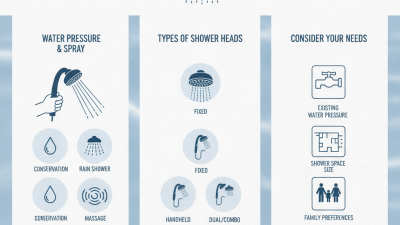
Choosing the right shower head can greatly enhance your bathing experience. There are several factors to consider when making this decision. Start with the water pressure in your home. Low water pressure may require a different shower head compared to high pressure. Look for models designed specifically for weak flow if that’s your situation.
Another key consideration is the spray pattern. Do you prefer a gentle mist or a powerful massage? Different shower heads offer various settings. Experimenting with these can help you find your ideal shower experience. Some individuals struggle with finding that perfect setting. Taking the time to test each option is essential.
Tips: Install a shower head with adjustable settings. This versatility can cater to different preferences and family needs. Additionally, consider the ease of installation. Some models can be complicated, leading to frustration. A straightforward installation process will save time and effort. Lastly, pay attention to water-saving features. These can reduce water waste and lower bills without sacrificing performance.
Factors to Consider When Choosing a Shower Head
This chart illustrates the various factors to consider when selecting a shower head, rated on a scale from 1 to 10 based on their importance. Water pressure and material quality are key aspects, while price is relatively less critical.
Types of Shower Heads and Their Benefits
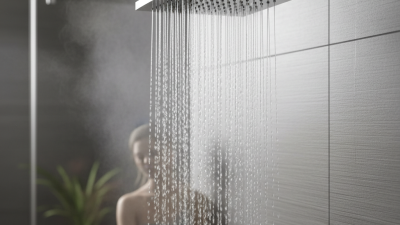
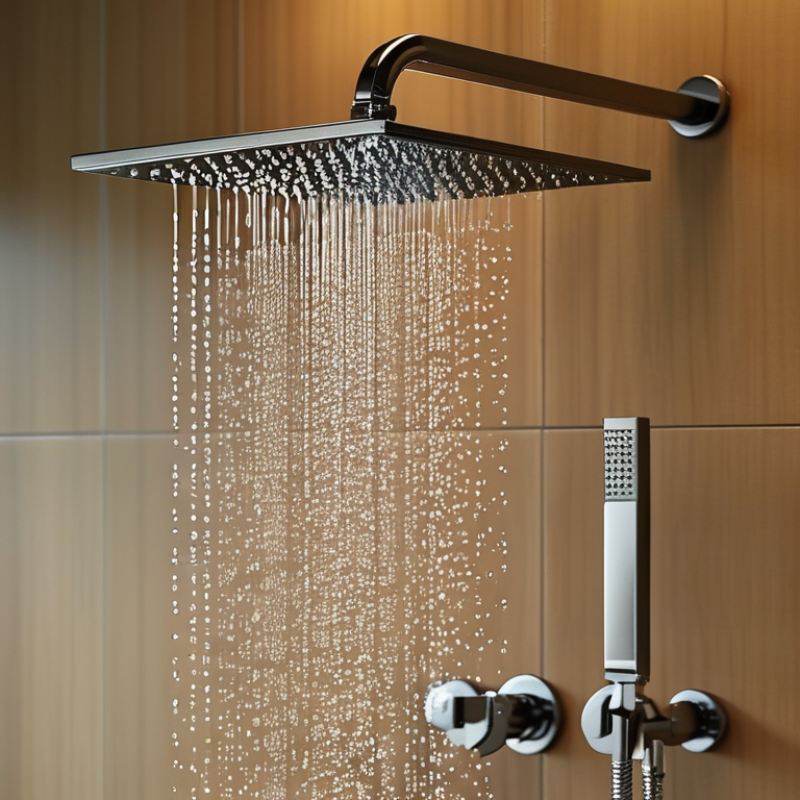
Choosing the right shower head can greatly enhance your bathing experience. There are several types available, each offering unique benefits. Rain shower heads provide a spa-like experience. They distribute water evenly, simulating natural rainfall. Users often enjoy a soothing, luxurious feeling. These shower heads are ideal for relaxation after a long day.
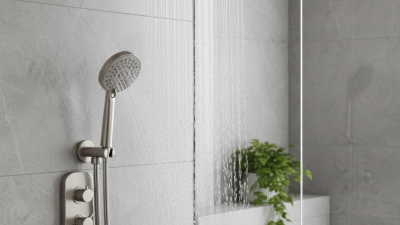
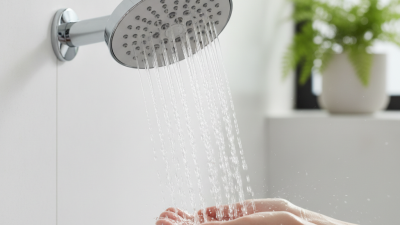
Handheld shower heads offer versatility. You can easily direct the water flow where needed. This makes them perfect for rinsing off or bathing children. However, some people find them less user-friendly. The hose might become tangled or awkward during use. Adjustable shower heads combine multiple settings. You can switch from a gentle mist to a powerful massage. It allows for a customized experience, matching your mood.
Consider also water-saving options. Low-flow shower heads reduce water usage without sacrificing performance. While they might feel different at first, many users adjust well. It’s essential to evaluate your needs. Each type brings its advantages and possible downsides. Take time to choose the one best suited for your bathroom. Proper research can lead to a notable upgrade in your daily routine.
Water Pressure and Flow Rate Considerations
Choosing the right shower head involves understanding water pressure and flow rates. Studies show that the average water pressure in homes ranges from 40 to 60 psi. This pressure directly impacts flow rate. A shower head’s flow rate is usually measured in gallons per minute (GPM). High-efficiency shower heads can use 1.5 to 2.0 GPM, significantly reducing water usage.
When selecting a shower head, assess your home's pressure. Low pressure can lead to a disappointing experience. On the other hand, very high pressure might result in discomfort. Ideal flow rates aim for a balance that ensures comfort and efficiency.
Tip: Consider installing a pressure gauge. This tool helps you measure the psi of your existing system. If pressure varies, your choice of shower head might need adjustments. Additionally, remember that lower flow rates can still offer a strong spray with the right design.
Tip: Look out for local regulations on water usage. Some areas have restrictions on flow rates for efficiency. Always be mindful of how your selection impacts both your daily life and the environment. Making informed choices can lead to a refreshing shower and conservation of resources.
Installation Process of Different Shower Head Types
When considering the installation process of various shower head types, it's crucial to understand the specific requirements for each type. For instance, fixed shower heads are straightforward to install. Users usually just need to unscrew the old head and screw in the new one. This can typically be done with simple tools and minimal plumbing knowledge. However, according to a report from the Home Improvement Research Institute, improper installation can lead to leaks, potentially wasting over 3,000 gallons of water annually per household.
Handheld shower heads can complicate the installation. They often require additional mounting hardware and hose connections. Precise measurement is necessary to ensure the hose reaches comfortably without causing strain. A survey by the National Kitchen and Bath Association showed that 40% of homeowners reported dissatisfaction due to installation issues with handheld models. They noted leaks and functionality as primary concerns.
Rain shower heads, while luxurious, present their own challenges. They generally require overhead plumbing and can complicate existing bathroom layouts. Water pressure becomes a significant factor. The American Water Works Association states that low-pressure systems may not adequately support these fixtures. Homeowners must weigh the aesthetic benefits against practical limitations during installation. Each type presents unique benefits and drawbacks, emphasizing that careful planning is essential.
Maintenance Tips for Longevity of Your Shower Head
Maintaining your shower head is essential for its longevity and optimal performance. According to industry reports, regular maintenance can prolong the lifespan of shower heads up to 50%. A clean shower head not only enhances water flow but also improves your shower experience. Calcium buildup can restrict water flow, leading to dissatisfaction.
To maintain your shower head, consider these tips: First, remove the shower head periodically and soak it in a vinegar solution. This will help dissolve mineral deposits. Second, check the rubber washers and gaskets. If they’re worn out, replace them to prevent leaks. Lastly, periodically flush the shower head with hot water. This simple step can clear minor blockages and improve water pressure.
Routine checks are key. Inspect for leaks or cracks every few months. Environmental factors, like hard water, can impact performance. Reports indicate that hard water areas often require more frequent maintenance. Be proactive in your approach. Neglecting small issues can lead to more significant problems down the line. Regular upkeep not only maximizes efficiency but also saves on water bills, enhancing your overall bathroom experience.