Why Choose a Shower Filter Head for Better Water Quality?
A daily shower can expose skin and hair to treated municipal water. The impact varies by location, plumbing, water chemistry, and personal sensitivity. The U.S. Environmental Protection Agency’s WaterSense specification limits certified showerheads to 2.0 gallons per minute. That design can reduce water use without sacrificing a steady spray. However, efficiency does not automatically mean cleaner water. Different treatment goals require different technologies.
NSF/ANSI 177 evaluates shower filtration systems for reducing free available chlorine. It does not prove removal of every contaminant. That distinction matters. As water-treatment specialist Rick Andrew explains, “Choose treatment for the contaminant, not the marketing claim.” Consumers should verify independent certification, replacement intervals, and tested performance. A carbon cartridge may help reduce chlorine odor near the bathroom drain. It may not address hardness, microorganisms, or every dissolved chemical. The World Health Organization’s Guidelines for Drinking-water Quality also emphasize risk-based assessment, rather than broad promises. The U.S. Centers for Disease Control and Prevention recommends understanding local water conditions before selecting treatment equipment.
A Shower Filter Head can be practical, but it is not magic. Check your utility’s annual water quality report first. Then compare certified models with transparent test data. A neglected cartridge can become less effective. That part is easy to forget. Even the best choice may need reconsideration after plumbing changes, skin reactions, or altered water supplies. Reliable improvement begins with evidence, realistic expectations, and regular maintenance.
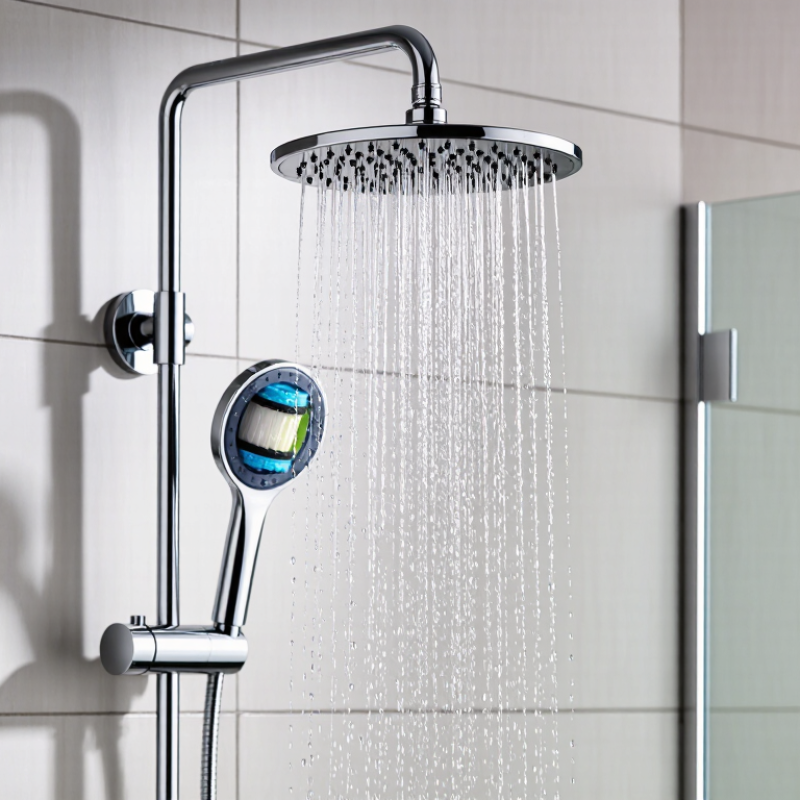
A shower filter head is a showerhead fitted with a replaceable treatment cartridge. It sits between the pipe and spray plate. Simple, but not magical. Most models use activated carbon, KDF media, or sediment screens. Activated carbon adsorbs some chlorine and organic compounds. KDF media may help reduce chlorine under suitable flow conditions. A screen catches larger particles. Performance changes with water temperature, pressure, and cartridge age.
The process is physical and chemical. Water enters the cartridge, contacts the media, then exits through spray nozzles. Contact time matters. Faster flow can reduce treatment. NSF/ANSI 177 evaluates shower filtration systems specifically for free available chlorine reduction. It does not certify removal of every contaminant. Hard water minerals usually remain. WHO drinking-water guidelines emphasize chlorine’s role in disinfection, so removing it is not automatically necessary. This distinction matters.
The U.S. EPA WaterSense program estimates showers use nearly 17% of residential indoor water, or about 40 gallons daily for a family of four. Repeated exposure makes filter maintenance practical, not decorative. Replace cartridges according to tested capacity, not appearance alone. A faint smell may return before the cartridge looks dirty. I have seen the common mistake: installing a filter and forgetting it for months. That can weaken performance and confidence. Check independent test data, measure your water, and match the certified claim to your actual concern.

A shower filter head can improve the feel and smell of everyday water. In many homes, its main target is chlorine, which may leave a sharp odor and dry-feeling skin. Some filters also reduce chloramine, but only when their media is designed for it. Sediment can be captured too. Fine particles may otherwise collect around the shower screen.
I have noticed that filtered water can feel gentler after several showers. Still, “filtered” does not mean purified. Most shower filters are not designed to remove hardness minerals, such as calcium and magnesium. They may also have limited effects on metals, bacteria, or other dissolved contaminants. Performance depends on water pressure, filter age, and contact time. A product claim without independent testing deserves caution. The exact result can vary.
Tips: Check your local water quality report before choosing a filter. Look for testing against specific contaminants, not vague promises. Replace the cartridge according to its rated capacity, even if water still looks clear. A clogged filter may reduce pressure. If your water has unusual color, odor, or recurring irritation, investigate the source instead of relying on a shower filter alone. Certification can help, but read the tested standard and contaminant list carefully. Cheerful assumptions are not evidence.
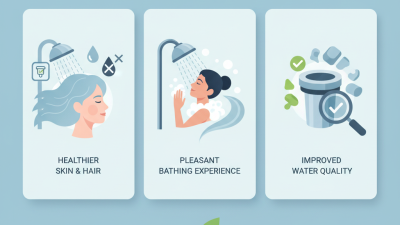
A shower filter head can change more than the smell of tap water. In a home test, water with a strong chlorine odor felt less harsh after filtration, although the difference was not dramatic. Chlorine and certain sediments may irritate sensitive skin, while hard-water minerals can leave a tight, chalky feeling. A filter may reduce some concerns, but performance depends on its filter media, water pressure, and replacement schedule. It is not a cure for every skin problem.
Filtered water may help the skin barrier hold moisture, especially when hot showers already cause dryness. My practical advice is simple: use warm water, keep showers brief, and moisturize within a few minutes. Hair can feel smoother when fewer minerals coat the strands. Still, a filter cannot repair bleach damage or replace a gentle shampoo. Results vary. Sometimes, barely.
Breathing is more complicated. Removing some chlorine by-products or particles may make shower air feel more comfortable, but a shower filter is not an air purifier. Steam can worsen symptoms for people with asthma or fragrance sensitivity. Anyone with persistent coughing, wheezing, rashes, or scalp irritation should seek qualified medical advice. Check independent test data, choose a filter suited to local water, and replace cartridges on schedule; otherwise, the device may become a neglected wet container rather than a useful treatment.
| Water-quality factor | Typical information | Possible effect during showering | Filter media that may help | What users may notice | Important limitation |
|---|---|---|---|---|---|
| Free chlorine | Public water systems may maintain a disinfectant residual; the U.S. regulatory maximum residual disinfectant level for chlorine is 4 mg/L. | Warm water can increase contact with skin and may intensify chlorine odor or dryness for sensitive users. | Activated carbon, catalytic carbon, or specially designed reduction media. | Less chlorine smell and potentially less tightness or irritation after showering. | Performance depends on flow rate, contact time, cartridge age, and water chemistry. |
| Chloramine | Some water systems use chloramine instead of, or in addition to, free chlorine for longer-lasting disinfection. | May contribute to a noticeable disinfectant odor; sensitive individuals may find the air unpleasant in a hot, steamy bathroom. | Catalytic carbon or media specifically tested for chloramine reduction. | Reduced odor may improve perceived shower comfort. | Ordinary carbon filters are not automatically effective against chloramine; check independent performance data. |
| Hardness minerals | Hardness is mainly caused by dissolved calcium and magnesium and is commonly reported as mg/L or ppm of calcium carbonate. | Can leave mineral deposits, make soap harder to rinse, and cause hair to feel dull or coated. | Ion exchange or a properly sized water-softening system; most shower carbon filters do not soften water. | Less scale on fixtures and a cleaner rinsing feel when hardness is actually reduced. | A small shower filter usually cannot provide the same hardness reduction as a whole-house softener. |
| Sediment and rust particles | Particles may enter water from plumbing, maintenance work, or corrosion inside older pipes. | May settle on skin or hair and can clog shower nozzles or reduce water flow. | A washable screen or sediment cartridge with a stated micron rating. | Cleaner-looking water and fewer visible particles. | Sediment filtration does not remove dissolved disinfectants, salts, or most dissolved metals. |
| Water temperature | Very hot water can strip surface oils more quickly than lukewarm water, regardless of filtration. | May worsen dryness, itching, redness, or disruption of the skin barrier. | No filter removes this factor; temperature control is the primary solution. | Less post-shower tightness when shorter, lukewarm showers are used. | A filter cannot compensate for excessively hot or prolonged showers. |
| Skin sensitivity | People with eczema-prone or sensitive skin may react to multiple factors, including heat, cleansers, friction, and water chemistry. | Some users may experience more dryness or irritation after bathing. | A filter targeting the specific local contaminant, combined with gentle cleansing and moisturization. | Possible improvement in comfort, but results vary substantially between individuals. | A shower filter is not a treatment for eczema, dermatitis, allergy, or infection. |
| Hair feel and manageability | Mineral buildup and residue can affect how hair feels, especially when water is hard or hair products are used frequently. | Hair may feel rough, dry, heavy, or less shiny. | A filter matched to chlorine or sediment; hardness usually requires softening or periodic clarifying care. | Hair may feel easier to rinse or less affected by chlorine odor. | Filtration does not repair existing hair damage or guarantee increased hair growth. |
| Shower air and breathing comfort | Hot showers produce steam and aerosols; bathroom ventilation strongly affects indoor air conditions. | Odors or vapors may feel irritating to some people, particularly those sensitive to fragrances or disinfectant smells. | Media designed to reduce chlorine or chloramine may reduce odor; ventilation remains essential. | A fresher-smelling bathroom and improved perceived breathing comfort. | Evidence that shower filtration prevents asthma or respiratory disease is insufficient; seek medical advice for persistent symptoms. |
| Filter service life | Capacity decreases as the cartridge is used and as the incoming contaminant load increases. | An exhausted cartridge may provide little or no intended reduction and may restrict flow. | Replaceable cartridges with clear capacity and replacement guidance. | Consistent water flow and more reliable filtration performance. | Replacement intervals vary; follow measured capacity or manufacturer testing rather than appearance alone. |
Practical takeaway: A shower filter head is most useful when it targets a verified local issue, such as chlorine, chloramine, or sediment. It is not a universal water softener or a medical device. For the best result, review the local water-quality report, match the filter media to the contaminant, maintain the cartridge, use moderate water temperature, and ventilate the bathroom.
A shower filter head can make bathing water feel cleaner, but its value depends on the filter media. When comparing models, check whether they target chlorine, sediment, or specific dissolved minerals. Activated carbon may reduce chlorine odors, while vitamin C media works differently and needs careful performance evidence. Do not assume every filter softens hard water. Look for independent test reports or certification from an accredited testing body.
Flow rate matters as much as filtration. A dense cartridge may reduce pressure, especially in homes with low water flow. Compare the rated gallons per minute, spray settings, and pressure performance over time. The cartridge should be easy to replace without tools or leaks. Check replacement frequency, filter cost, and disposal instructions before buying. A clear housing can help you notice sediment buildup, though appearance is not proof of effectiveness.
Compatibility deserves a close look. Confirm the connection size, hose arrangement, and available shower space. A heavier head may strain an old fitting. I once focused on a sleek design and overlooked cartridge availability. That was inconvenient. Water quality also varies by location and season, so a home water report is useful. If skin irritation continues after installation, stop guessing and ask a qualified professional. Filter claims should be specific, measurable, and supported by current testing.
Installing a shower filter head is usually simple, but careful preparation prevents leaks. Turn off the shower and remove the existing head by hand or with an adjustable wrench. Protect the finish with a cloth. Clean old thread tape and mineral buildup from the shower arm. Wrap fresh thread-sealing tape clockwise around the threads. Attach the filter head firmly, without forcing it. Run cool water for several minutes before bathing. This flushes loose carbon dust and installation debris. Check every connection with a dry tissue.
Maintenance depends on water hardness, usage, and cartridge design. Inspect the housing monthly for cracks, white scale, or a weak spray. Wipe the outer surface with diluted vinegar, if the instructions permit it. Do not soak internal parts unless the instructions specifically allow it. Replace the cartridge on its stated schedule, or earlier when flow drops or odor returns. I once waited too long, and the spray became uneven. That experience reminded me that a filter is not a cure-all. It cannot remove every contaminant. Review independent test information and your local water report before choosing replacement media.
Tips: Keep a spare cartridge in a dry cupboard. Mark the installation date on the housing. After replacement, flush until the water runs clear. If your skin feels irritated, discontinue use and check the water source. Filter performance can vary, so record changes instead of relying on appearance alone.