get a free sample
Leave Your Message

What Are the Top Overhead Shower Trends for 2026?

Bathroom design in 2026 is paying closer attention to how a shower feels, not just how it photographs. Overhead Shower trends are expected to balance a calming, rain-like experience with practical concerns such as water pressure, cleaning, and installation. Larger showerheads, slim profiles, and ceiling-mounted designs may create a cleaner visual line. Yet a broad spray can feel cold or wasteful in a compact bathroom. Bigger is not always better.

This introduction explores the details likely to shape upcoming choices: adjustable spray patterns, warm metal finishes, discreet controls, and water-conscious engineering. Finishes such as brushed nickel or matte black can give a fixture character, but mineral deposits and fingerprints may show differently on each surface. Digital controls can offer precise temperature settings, though they add complexity and may not suit every household. Small details matter. So does maintenance.

The sections ahead will consider both appearance and everyday performance, including compatibility with existing plumbing, ceiling height, and available water flow. Product specifications and advice from a qualified installer are worth checking before choosing a model; a stylish fixture cannot correct unsuitable plumbing. Some trends may also prove less useful than they look in showroom lighting. That is worth questioning. The best choice is not necessarily the newest one, but the one that fits the room, budget, and people using it each day.
What Are the Top Overhead Shower Trends for 2026?

What Defines an Overhead Shower in 2026?

In 2026, an overhead shower is defined less by a “rain” shape than by its position, coverage, and control. A broad ceiling-mounted head can spread water across the shoulders, while a wall-mounted arm is easier to reach and maintain. Look for a steady spray, accessible temperature controls, and a head that suits the room’s water pressure. Small details matter. A beautiful fixture can feel underwhelming if the spray barely reaches you.

Efficiency is part of the definition, not an optional extra. The U.S. EPA’s WaterSense Specification for Showerheads sets a maximum flow rate of 2.0 gallons per minute for labeled models, at least 20% below the federal 2.5-gallon standard. The U.S. Department of Energy’s Energy Saver guidance estimates water heating uses about 18% of household energy. These figures make flow rate worth checking before choosing a large overhead head. Less flow can save resources, though spray comfort still depends on the fixture and home plumbing.

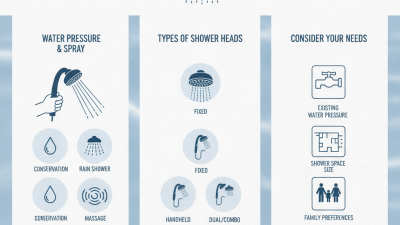
Expect designs to pair overhead coverage with a hand shower, thermostatic temperature control, or simple, easy-clean surfaces. These features support everyday use, especially when users differ in height or mobility. Yet “more immersive” is not always better; a wide spray may feel cold in a drafty bathroom, and extra controls can complicate cleaning. Test the spray pattern where possible, and treat trend claims cautiously: the EPA and DOE figures describe efficiency, not a universal preference for any one shower style.
Design Trends Transforming Overhead Shower Systems

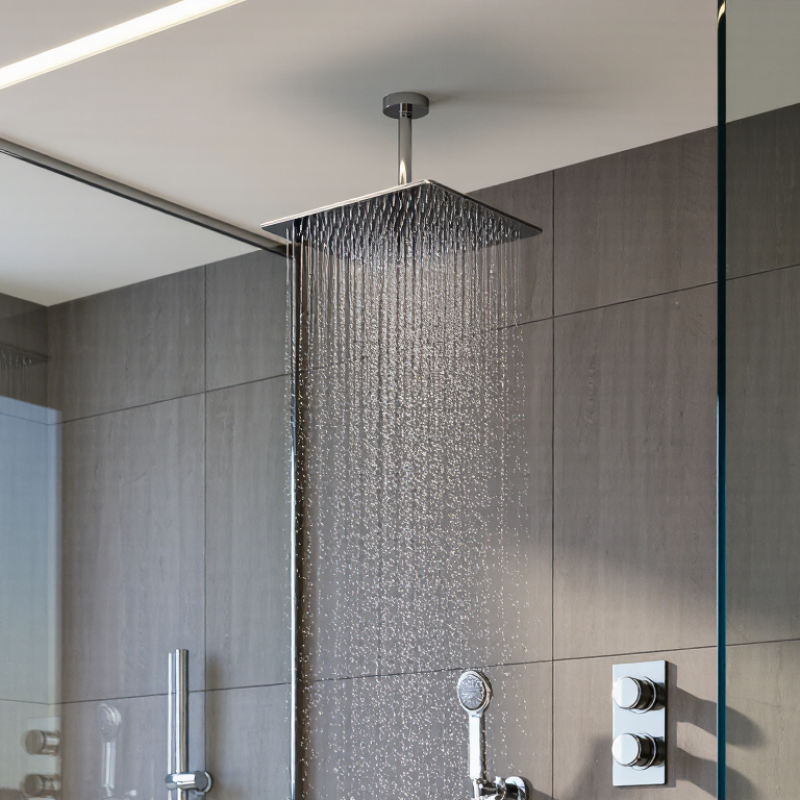
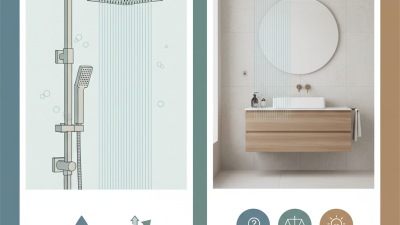
Overhead shower design in 2026 is moving beyond a single large showerhead. Homeowners are choosing layered systems that combine a broad ceiling-mounted spray with a handheld shower. The overhead head can create an even rainfall effect, while the handheld option helps rinse hair, clean the enclosure, and serve different users. Small details matter. A well-placed control lets someone adjust temperature before stepping beneath the spray.

Slim profiles and concealed pipework create a quieter visual effect, especially in bathrooms with pale stone, warm tile, or simple glass screens. Finishes such as brushed metal and soft matte surfaces add texture without dominating the room. Yet concealed systems need thoughtful access for maintenance. A sleek wall can be inconvenient if a valve later needs repair. Looks are not enough.

Designers are also paying closer attention to water use and everyday comfort. A pressure-compensating flow control can help maintain a steadier spray, while a thermostatic valve reduces sudden temperature changes. These features do not replace proper installation or routine checks. Ceiling height, drainage capacity, and local water pressure all affect performance. Before selecting a large overhead head, measure the space and confirm the system can deliver a comfortable spray without unnecessary water use.

Smart Controls and Water-Efficient Features

What Are the Top Overhead Shower Trends for 2026?

Smart controls are making overhead showers easier to tailor. Digital valves can hold a chosen temperature, while simple preset controls reduce fiddling with hot and cold handles. Some systems also show water use or pause the flow while someone soaps up. Useful, not magic. A display cannot save water if the shower runs longer.

Efficiency remains a practical design priority. The U.S. Environmental Protection Agency’s WaterSense program says certified showerheads use no more than 2.0 gallons per minute, compared with the federal standard of 2.5. EPA estimates an average family can save 2,700 gallons annually by switching. That is a meaningful reduction, especially in homes with several daily showers. The U.S. Department of Energy also identifies water heating as a substantial household energy use, so using less hot water can trim energy demand too.

For an overhead installation, look for controls that make lower flow comfortable, not merely compliant. A wide spray can feel generous without requiring a high flow rate, though performance depends on pressure and the showerhead design. Check the flow rating before buying.

Small details matter: clear temperature markings, reachable controls, and an easy-to-clean spray plate help make efficient habits stick. There is a trade-off. More electronics can add complexity, and a smart feature is only useful when it is simple to operate.

Popular Materials, Finishes, and Spray Patterns

For 2026, overhead shower designs are leaning toward tactile materials and finishes that feel calm rather than flashy. Stainless steel remains a practical choice in humid bathrooms, while brushed brass and warm bronze add a softer look. Matte black still suits modern spaces, but it can show mineral spots, especially in hard-water areas. That detail is easy to overlook. Brushed or satin surfaces often hide fingerprints better than polished ones, though they still need regular care.

Spray patterns are becoming more adaptable. A broad rain setting gives even coverage, while a focused rinse can help wash out thick hair or rinse the shower walls. Some heads combine both, with adjustable settings for a gentler flow or a more concentrated spray. Larger showerheads can feel luxurious, but they may not work well where water pressure is limited. Check the flow and coverage before choosing a wide head; bigger is not always better.

Tips: Match the finish to your cleaning routine and water quality. Wipe the showerhead after use if limescale is common, and check whether its nozzles are easy to clear. Stand beneath a showroom display, if possible, to judge the spray’s reach. A pattern that looks beautiful in a photo may feel too forceful—or oddly patchy—in your own bathroom.

How to Choose and Install a 2026-Style Overhead Shower

For a 2026-style overhead shower, the strongest trend is a calm, spa-like spray paired with practical control. Choose a broad rain head only after checking your home’s water pressure and hot-water capacity. A large head can feel gentle, not powerful, when flow is limited. Look for a height and angle that suit the tallest user, while keeping spray away from the bathroom door. A slim hand shower adds flexibility for rinsing, cleaning, and different mobility needs. Keep it simple. Matte finishes and concealed fittings look clean, but they can make future repairs less convenient. This trade-off is easy to overlook.

Before buying, measure the ceiling height, shower footprint, and existing pipe location; a sketch with dimensions is useful. Confirm that the ceiling or wall can support the chosen fitting, and check access for servicing valves. Installation may involve plumbing changes, waterproofing, and careful sealing, so use a qualified installer when work exceeds your skills. Do not guess. Set the overhead head so water lands inside the enclosure. Test the spray pattern and temperature before closing access panels. Follow the fixture instructions and local plumbing requirements. One honest compromise: a dramatic ceiling-mounted head may look excellent, yet a wall-mounted arm is often easier to maintain. Plan for use, not just photographs.